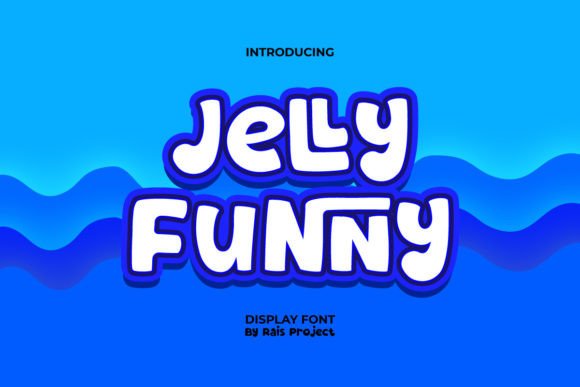
Jelly Funny Font Adds Fluffy Charm to Display Projects
As a web designer who often works with handmade and small business clients, I'm always on the lookout for fonts that bring personality and warmth to digital and print projects. Recently, I had the chance to work with Jelly Funny, a display font that promises a cute and fluffy aesthetic. Let me walk you through how this typeface performed when I used it in real-life scenarios like shop branding, packaging design, and social media graphics.
Jelly Funny Font for Brand Business Cards and Shop Listings
I started by incorporating Jelly Funny into a brand business card mockup for a client selling hand-poured soy candles. The font’s playful curves and soft edges gave the card an approachable, whimsical feel—perfect for their cozy candle line. It was easy to pair with a minimalist sans serif font for the contact details, which helped maintain clarity without losing the charm of Jelly Funny.
When designing shop listing images for the same brand, I noticed how the font made the product names pop against simple backgrounds. The fluffiness of Jelly Funny added just the right amount of character to make the cards stand out in a crowded Etsy feed. For display use, especially in short phrases, it worked beautifully and felt very much in line with modern typography trends that prioritize emotional appeal and brand identity.
Jelly Funny for Boutique Tags and Product Packaging Design
Next up was creating boutique tags for a local artisanal soap company. These were going to be printed in small quantities using a laser cutter, so I needed something that would still look good at a reduced size. While Jelly Funny is decorative, I found that it maintained its readability on small tags if the spacing and contrast were adjusted properly. The softness of the font gave the tags a friendly, handmade vibe that matched the brand's overall aesthetic.
I also tested it on product packaging mockups for custom bath bombs. The result was stunning—Jelly Funny transformed the labels from plain text into eye-catching elements that customers couldn’t help but notice. Whether used as a title or in a tagline, the font elevated the perceived quality of the packaging and made the products feel more special and thoughtfully designed.
Jelly Funny in Greeting Cards and Invitation Mockups
One of my favorite uses for any display font is in greeting cards and invitations, and Jelly Funny did not disappoint. I designed a birthday invitation set using this font for a client whose target audience is young adults and parents of kids. The font brought a sense of joy and playfulness that perfectly matched the tone of the event. Pairing it with a clean script font for the name and date allowed for a balanced yet creative layout.
For holiday greeting cards, I layered Jelly Funny over subtle watercolor textures. The combination felt both professional and personal, making the cards ideal for sending warm wishes or promoting seasonal products. It’s clear that Jelly Funny is a premium font that can enhance both handmade and digital designs with its unique style.
Readability Tips for Cricut and Silhouette Users
If you're planning to use Jelly Funny in cutting machine projects, here are a few things to keep in mind. First, due to its fluffy nature, it may not perform well in very tiny cuts unless you simplify the characters slightly. Second, always check the included styles and file formats before starting your project. This ensures compatibility with your software and maintains the font’s integrity during the cutting process.
I recommend using Jelly Funny for larger text areas such as headers, titles, and decorative wording. Its best application is in display contexts where the goal is to evoke a feeling rather than deliver dense information. For instance, it shines on SVG-style designs for stickers and wall art, where visual impact matters most.
Jelly Funny for Farmhouse Signs and Wedding Welcome Boards
Farmhouse signs are all about rustic charm and a touch of whimsy, and Jelly Funny fits right into that aesthetic. I used it on a mockup for a "Welcome Home" sign, pairing it with a bold handwritten font for a contrasting effect. The outcome was a warm, inviting piece that felt authentic and stylish.
On a wedding welcome board, Jelly Funny brought a gentle, joyful energy to the message. It wasn’t too girly, nor too childish—just the right balance for a lighthearted yet elegant celebration. As part of the editorial design, I used it sparingly for key phrases while keeping the body copy in a simpler typeface. This ensured legibility while still showcasing the font’s unique personality.
Font Pairing Suggestions for Makers and Designers
While Jelly Funny is undeniably charming on its own, it plays even better with others. Here are some font pairing ideas based on different styles:
- Clean Sans Serif: Ideal for balancing out the fluffiness and keeping secondary text legible.
- Simple Serif: Offers a classic contrast that adds sophistication to handmade items.
- Handwritten Script: Works great for adding a personal touch in invitation or greeting card designs.
- Bold Display Font: If you’re after high-impact designs, combining Jelly Funny with a bolder counterpart can create dynamic visuals.
Each of these pairings allows Jelly Funny to shine without overwhelming the rest of the design. Just remember to test them in your preferred software or platform before finalizing anything.
Jelly Funny in Digital Download Previews and Social Media Graphics
As someone who creates digital printables, I know how important it is for font choices to look good in preview images. Jelly Funny handled this well—its open letterforms and consistent weight made it easy to read in thumbnail sizes. When paired with bright colors and soft gradients, it created previews that were both appealing and informative.
For social media graphics, the font added a layer of fun to seasonal posts and promotional banners. Whether it was a summer sale or a new product launch, Jelly Funny helped convey excitement and warmth. The font’s versatility across platforms—from web design to social media—makes it a valuable addition to any creative font library.
What to Avoid When Using Jelly Funny
Although Jelly Funny is incredibly versatile, there are a few situations where it might not be the best choice. Because it's a decorative display font, it's not recommended for long paragraphs or technical instructions. It also doesn’t hold up well in very small text unless simplified, so avoid using it for dense label information or tiny product tags.
Always double-check the commercial font licensing if you're planning to use it in printables or merchandise for resale. Knowing what’s included—like alternates, ligatures, swashes, and multilingual support—will help you avoid last-minute issues when scaling your designs.
Jelly Funny for Planner Pages and Wall Art Templates
Planner pages require a mix of structure and creativity. I used Jelly Funny for section headers and decorative accents in a monthly planner layout. It didn’t interfere with the grid-based structure and instead enhanced the overall mood of the design. The font’s rounded shapes and soft lines gave the planner a friendly, user-friendly feel.
Wall art templates are another area where Jelly Funny really comes alive. I created a few mockups for motivational quotes and they turned out adorable. The font’s ability to add emotional appeal makes it perfect for printable wall art aimed at home decor enthusiasts. Just ensure the background complements the font’s style—too busy a backdrop could drown out its delicate charm.
Realistic Use Cases for Tote Bags and Shirts
Textiles are a big part of many handmade shops, and I wanted to see how Jelly Funny would translate onto fabric. On tote bags, the font looked amazing in large, centered phrases like “Chill Out” or “Sweet Dreams.” The fluffiness of the typeface softened the canvas material, making the bag feel more inviting and less industrial.
For shirts, I limited the text to a few short words and found that it worked particularly well with minimalist layouts. However, I’d caution against using it in densely packed designs or for clothing targeted at older audiences—it’s definitely a younger, more casual font. Still, for a boutique selling trendy, cozy apparel, it was a perfect fit.
Final Thoughts on Jelly Funny for Creative Displays
In the end, Jelly Funny proved itself to be a reliable and delightful display font for a range of handmade and digital projects. From brand business cards to wedding welcome boards, it consistently added a layer of cuteness and character that’s hard to achieve with standard typefaces. What stood out most was how it managed to stay practical despite its playful style.
For makers, sellers, and designers looking to inject some personality into their creations, Jelly Funny is a solid choice. It’s especially effective in display contexts where first impressions matter. Just be mindful of its limitations in small text or lengthy passages, and always consider the emotional tone you want to communicate.
If you're working on a project that needs a little extra fluff, give Jelly Funny a try. You might just find that it becomes one of your go-to fonts for everything from greeting cards to seasonal signage.